


-

Add: HeBei ShengShi HongBang Cellulose Technology CO.,LTD.
-

Email
13180486930@163.com -

CONTACT US
+86 13180486930
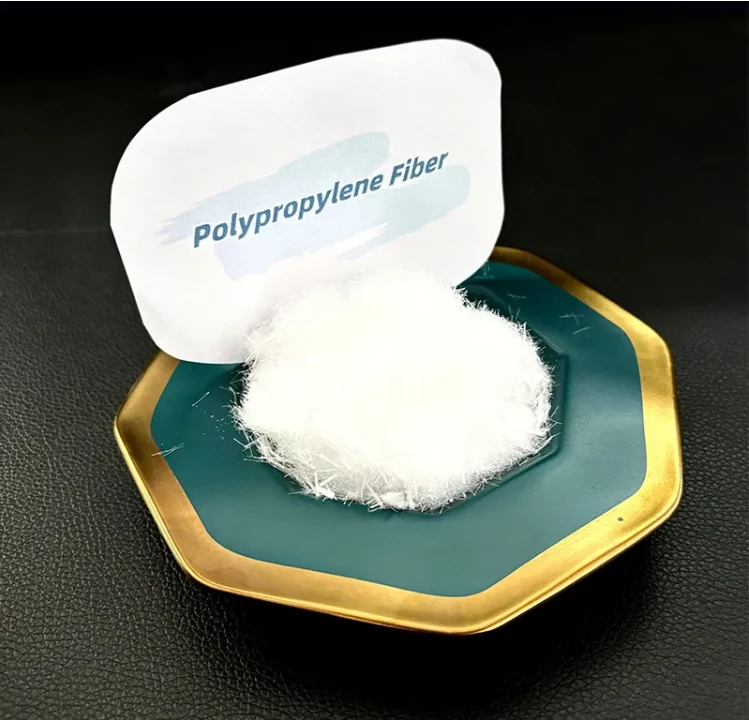




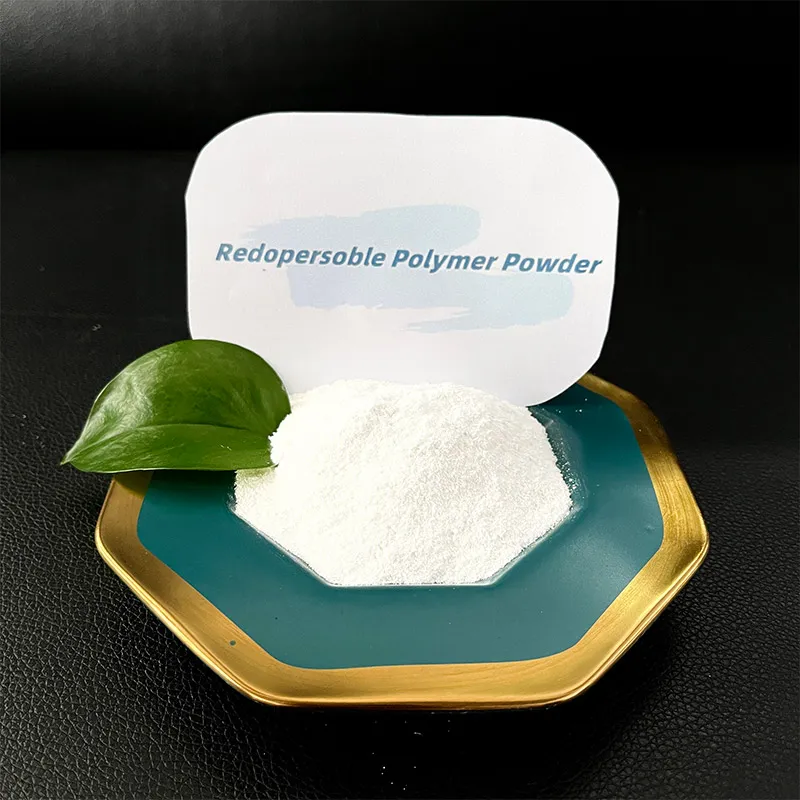
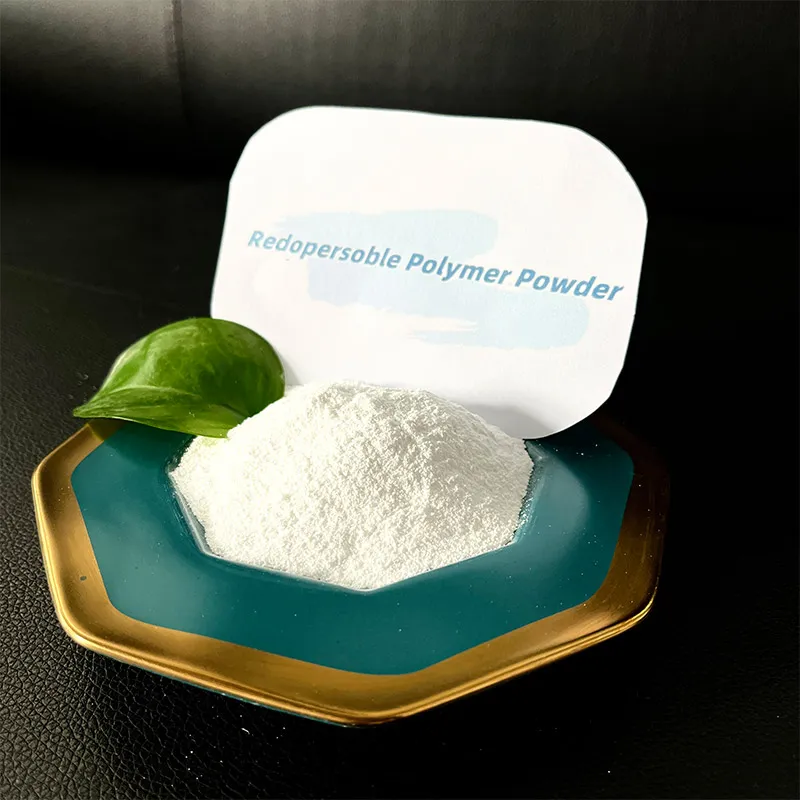
Thin-bed mortars are a cornerstone of modern construction, valued for their precision in tile installation, plastering, and bonding. At the heart of their performance lies polymer powder , a transformative additive that enhances adhesion, flexibility, and durability. Alongside redispersible polymer powder and redispersible powder variants, it elevates mortar quality, making thin-bed applications more reliable and long-lasting. Hebei ShengShi HongBang Cellulose Technology CO.,LTD, a professional manufacturer with over 20 years of experience, located in Hebei Province Xinji provincial clean chemical Industry Park with excellent transportation links, extends its expertise beyond HPMC to include high-quality polymer additives. Their advanced German production processes and daily capacity of 80–100 tons make them a trusted partner for wholesalers seeking top-tier construction materials. This article explores how polymer powder functions in thin-bed mortars, highlighting its key roles and benefits. Types of Redispersible Polymer Powder for Thin-Bed Mortars Polymer Powder: Polymer powder is a generic term for powdered polymers that dissolve or disperse in water, forming a film when dried. In thin-bed mortars, it acts as a binder, improving cohesion between cement, aggregates, and substrates. Wholesalers can note that its versatility makes it suitable for a range of mortar types, from tile adhesives to repair mortars. Redispersible Polymer Powder: Redispersible polymer powder is a specialized variant that, when mixed with water, re-disperses into a stable emulsion. This unique property ensures uniform distribution throughout the mortar, enhancing its overall performance. It is particularly effective in thin-bed applications where even coverage and strong adhesion are critical. Hebei ShengShi HongBang’s redispersible polymer powder is engineered for consistent results, meeting the demands of high-precision construction. Redispersible Powder: Redispersible powder (a broader term encompassing redispersible polymers) offers tailored benefits, such as enhanced water resistance or flexibility. These variants are ideal for thin-bed mortars used in humid environments, like bathrooms, or areas prone to slight movement, such as kitchens. Their adaptability makes them a valuable addition to any wholesaler’s product lineup. Enhancing Adhesion with Redispersible Polymer Powder Film-Forming Binder: Redispersible polymer powder forms a continuous polymer film within the mortar as water evaporates. This film bridges gaps between mortar particles and the substrate (e.g., tiles, concrete), creating a strong mechanical bond. In thin-bed mortars, where contact area is limited, this enhanced adhesion prevents tile slippage and ensures long-term stability. Improved Bond to Diverse Surfaces: Thin-bed mortars often need to adhere to challenging substrates like glass, metal, or painted surfaces. Polymer powder modifies the mortar’s surface tension, allowing it to wet and bond to these materials effectively. This versatility reduces the need for specialized primers, simplifying installation and lowering costs—an advantage wholesalers can emphasize to clients. Resistance to Water and Moisture: Redispersible powder enhances the mortar’s water resistance by forming a hydrophobic film. This is crucial in thin-bed applications in wet areas, such as showers or swimming pools, where moisture penetration could weaken the bond. The polymer barrier prevents water from breaking down the mortar structure, extending its lifespan. Performance Benefits of Polymer Powder in Thin-Bed Mortars Performance Aspect Mortar with Polymer Powder Standard Mortar (Without Polymer Powder) Advantage for Construction Flexibility High; withstands minor substrate movement Rigid; prone to cracking under stress Reduces tile or plaster damage from structural shifts. Adhesion Strength Excellent bond to diverse substrates Limited adhesion to non-porous surfaces Ensures long-term stability in tile and stone installations. Water Resistance Resistant to moisture penetration Susceptible to water damage Ideal for wet areas like bathrooms, kitchens, and swimming pools. Workability Smooth, easy to spread with minimal sagging May be stiff or runny Improves installer efficiency and reduces material waste. This table helps wholesalers clearly demonstrate how polymer powder elevates thin-bed mortar performance, making it a must-have additive for quality-focused clients. Key Functions of Redispersible Powder in Thin-Bed Mortars Reducing Shrinkage: Thin-bed mortars are prone to shrinkage as they dry, which can cause cracks or debonding. Redispersible powder minimizes shrinkage by increasing the mortar’s flexibility, allowing it to contract slightly without losing integrity. This is especially important in large-area installations, where uniform drying is challenging. Enhancing Cohesion: Polymer powder improves the mortar’s cohesion, preventing segregation of cement and aggregates. This ensures a smooth, homogeneous mix that spreads evenly, reducing the risk of voids or weak spots in the thin bed. Enhanced cohesion also makes the mortar easier to handle, reducing installer fatigue. Boosting Durability: Mortars containing redispersible polymer powder are more resistant to abrasion, impact, and chemical exposure. This durability extends the lifespan of thin-bed applications, reducing the need for repairs or replacements. It is particularly valuable in high-traffic areas, such as commercial lobbies or retail spaces. Polymer Powder FAQS What Dosage of Redispersible Polymer Powder Is Ideal for Thin-Bed Mortars? Typically, redispersible polymer powder is used at 3–8% by weight of cement in thin-bed mortars. Lower dosages (3–5%) improve basic adhesion, while higher dosages (6–8%) enhance flexibility and water resistance. Hebei ShengShi HongBang’s technical team can recommend precise dosages based on specific mortar formulations and project needs. Is Polymer Powder Compatible with Other Mortar Additives? Yes, polymer powder works well with common additives like cellulose ethers, plasticizers, and retarders. It complements these materials, enhancing overall mortar performance without adverse reactions. This compatibility simplifies formulation for wholesalers and ensures versatility across applications. Can Redispersible Powder Improve Mortar Workability in Cold Weather? Absolutely. Redispersible powder lowers the mortar’s water demand and improves its flowability, even in cold temperatures. This ensures consistent workability during winter installations, reducing the risk of premature setting or poor adhesion. Does Polymer Powder Affect the Setting Time of Thin-Bed Mortars? In moderate dosages, polymer powder has minimal impact on setting time. However, high dosages (over 8%) may slightly extend curing, which can be beneficial in hot climates where rapid drying is a concern. Hebei ShengShi HongBang offers formulations tailored to balance workability and setting time. Where Can Wholesalers Source Quality Polymer Powder for Thin-Bed Mortars? Hebei ShengShi HongBang Cellulose Technology CO.,LTD provides premium polymer powder and redispersible powder products, designed to optimize thin-bed mortar performance. Visit their website to explore their range and partner with a manufacturer renowned for quality and reliability in construction materials.
- 40000tons

Production
- 20+years

Experience
- 5000+㎡

Acreage

-

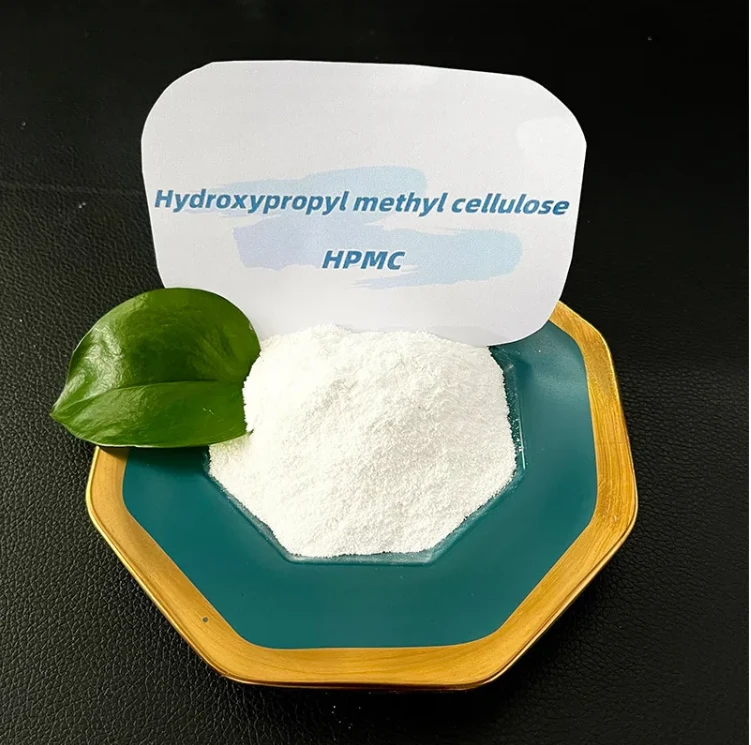
In today’s competitive construction industry, the demand for high-performance additives has surged, making HPMC for sale a crucial commodity for builders, contractors, and manufacturers. Hydroxypropyl Methylcellulose (HPMC) is an advanced construction additive derived from cellulose, designed to enhance the workability, adhesion, and water retention properties of various cement-based and gypsum-based formulations. If you’re looking for HPMC for sale , you're likely involved in producing or applying materials such as tile adhesives, wall putty, self-leveling mortars, plasters, or exterior thermal insulation systems. This versatile compound serves as a thickener, binder, and stabilizer. It plays a significant role in adjusting the setting time, preventing sagging in vertical applications, and achieving better finishes. Choosing HPMC for sale ensures that your dry-mix mortar maintains consistent viscosity and texture during application. It allows construction materials to retain water longer, leading to improved curing, stronger adhesion, and better cohesion of applied products. In demanding climate conditions or rapid project timelines, these benefits are particularly invaluable. When selecting HPMC for sale , quality and grade matter. Construction-grade HPMC varies based on viscosity, setting time, and application method. Whether you're formulating lightweight gypsum plaster or durable tile adhesive, a tailored HPMC for sale selection will boost efficiency, quality, and product satisfaction. Hydroxymethyl Cellulose: A Key Ingredient for Superior Construction Performance Hydroxymethyl cellulose , often compared with HPMC, is another high-functioning cellulose ether that contributes significantly to modern construction chemistry. Though chemically distinct, hydroxymethyl cellulose shares several functional benefits that make it suitable for building applications, especially where water retention, bonding strength, and smooth application are desired. When used in plaster, hydroxymethyl cellulose allows for extended open time, ensuring smoother finishes and better leveling. Its water retention capability is particularly advantageous in hot or dry conditions where traditional materials dry too fast, causing cracks and poor bonding. In tile adhesives, hydroxymethyl cellulose increases initial tack and reduces tile slippage. This makes it ideal for vertical installations and heavy stone or ceramic tiles. It also ensures tiles can be repositioned during installation without compromising final adhesion. For external insulation systems and renders, hydroxymethyl cellulose provides the necessary rheological control to maintain consistency throughout application. Its film-forming abilities result in more uniform coatings and improved resistance to water penetration or weathering. Manufacturers seeking long-term reliability in construction formulas increasingly incorporate hydroxymethyl cellulose due to its stable performance across different cement and gypsum systems. It is non-reactive, compatible with a wide range of additives, and ensures consistent quality across production batches. How Hydroxypropyl Cellulose Safe Grades Boost Construction Efficiency There’s growing interest in using hydroxypropyl cellulose safe formulations in construction due to their balance between performance, safety, and environmental sustainability. Hydroxypropyl cellulose safe for use in building products offers not only technical advantages but also reduced health risks for workers and minimal environmental impact. In cement-based mortars, hydroxypropyl cellulose safe grades function as thickening agents, providing excellent water retention and improved cohesion. These properties are essential for reducing cracking and increasing the durability of structures such as floors, walls, and ceilings. Wall putties enriched with hydroxypropyl cellulose safe improve application properties such as spreadability, work time, and surface smoothness. It minimizes dust generation during mixing and troweling, promoting a healthier work environment while enhancing end-user satisfaction. In tile adhesives, hydroxypropyl cellulose safe compositions increase bonding strength while preventing sag or slip in vertical applications. These features reduce installation failures and allow for more efficient use of labor and materials on-site. Another compelling advantage is its environmental friendliness. Because hydroxypropyl cellulose safe formulations are non-toxic and biodegradable, they are preferred for sustainable building projects, especially in green-certified developments or eco-friendly housing projects. Comparing HPMC for Sale and Hydroxymethyl Cellulose in Dry Mixes When formulating dry-mix mortars or plaster products, professionals often weigh the benefits of HPMC for sale and hydroxymethyl cellulose . While both are cellulose derivatives with similar water-retention and thickening properties, each offers unique advantages depending on the specific construction application. HPMC for sale is generally preferred in high-performance applications such as tile adhesives, leveling compounds, and EIFS (Exterior Insulation and Finish Systems). It provides strong thickening power, high water retention, and smooth rheology, ensuring premium application properties and superior durability. On the other hand, hydroxymethyl cellulose offers slightly different hydration characteristics, which can be beneficial in applications requiring fast mixing or early strength development. It's suitable for skim coats, wall plasters, and low-viscosity mortars where easy flow and a fine finish are desired. Both additives help improve workability and reduce sag, but HPMC for sale tends to perform better under high-temperature or low-humidity conditions due to its superior film-forming and moisture control properties. When selecting between HPMC for sale and hydroxymethyl cellulose , formulation engineers consider a variety of factors, including desired viscosity, set time, and compatibility with other ingredients. In many cases, a blend of both can yield optimal performance, combining the strengths of each. Trends in Construction: Why Hydroxypropyl Cellulose Safe Materials Are In Demand In recent years, the demand for hydroxypropyl cellulose safe construction materials has grown dramatically, largely driven by new regulations, sustainability goals, and increasing attention to occupational health and safety. Construction sites benefit from hydroxypropyl cellulose safe materials because they minimize airborne dust and skin or respiratory irritation. These safety features are critical in environments where large volumes of material are handled and applied every day. The smoother mixing and dust suppression also contribute to a cleaner and more efficient workspace. From a sustainability standpoint, hydroxypropyl cellulose safe grades are often derived from renewable raw materials and processed with eco-conscious methods. This aligns with LEED-certified building practices and government green mandates, which emphasize low-VOC, low-toxicity construction products. The performance advantages remain uncompromised. Hydroxypropyl cellulose safe grades deliver reliable thickening, water retention, and bonding performance. They are also compatible with pigments, defoamers, and retarders used in modern building material formulations. Whether you're formulating advanced plaster systems, tile grouts, or EIFS adhesives, the switch to hydroxypropyl cellulose safe options reflects a commitment to quality, safety, and environmental responsibility. In today’s market, this can be a significant differentiator and a selling point for your brand. Hydroxymethyl cellulose FAQs What is the benefit of using HPMC for sale in construction-grade materials? HPMC for sale enhances water retention, adhesion, and workability in cement and gypsum-based products. It ensures proper hydration, prevents sagging, and extends open time, which helps in achieving better surface quality and construction efficiency. How does hydroxymethyl cellulose differ from other cellulose ethers in building applications? Hydroxymethyl cellulose has distinct hydration and flow properties, making it ideal for fast-setting materials like skim coats and smooth plasters. It offers excellent water retention and compatibility with other additives but may not match HPMC’s thickening strength under high-stress conditions. Is hydroxypropyl cellulose safe for workers and the environment on construction sites? Yes, hydroxypropyl cellulose safe products are considered non-toxic, low-dust, and biodegradable. They are safe for human handling and contribute to healthier job sites and eco-friendly building practices. Their low irritant profile makes them suitable for use in green-certified construction projects. Can I mix HPMC and hydroxymethyl cellulose in the same dry-mix formula? Absolutely. Many formulators combine HPMC for sale and hydroxymethyl cellulose to achieve a balance between strong thickening (from HPMC) and smooth application or early strength gain (from hydroxymethyl cellulose). The ratio depends on the final product requirements and performance targets. What should I consider when buying HPMC for sale for construction use? When selecting HPMC for sale , consider factors like viscosity, setting time, water retention, and application method. Also check the compatibility with your other raw materials, environmental certifications, and whether the supplier offers consistent quality and technical support.
-
The Role of Modified Starch in Food and Industrial Applications Modified starch has become a significant ingredient in both the food industry and various industrial applications. With its versatility and functional properties, modified starch plays a crucial role in enhancing the texture, stability, and overall quality of products. This article explores the types, benefits, and applications of modified starch, highlighting its importance in modern production processes. What is Modified Starch? Modified starch refers to starch that has been physically, enzymatically, or chemically altered to enhance its properties and functionality. Common sources of starch include corn, wheat, potato, and tapioca. The modification process aims to improve characteristics such as solubility, viscosity, and stability under varying pH levels and temperatures. There are several methods to modify starch, including 1. Physical Modification This involves processes like heating, cooling, or extrusion. These processes can alter the starch structure without the use of chemicals. 2. Enzymatic Modification Enzymes are used to change the structure of starch, improving its functionality while maintaining its natural characteristics. 3. Chemical Modification This method uses acids, alkalis, or other chemicals to create new derivatives of starch, resulting in specific properties that are beneficial for targeted applications. Benefits of Modified Starch The modification of starch provides several benefits, including 1. Improved Solubility Modified starch can dissolve easily in cold water, making it ideal for instant foods and sauces, where quick preparation is essential. the modified starch 2. Enhanced Thickening Properties Modified starch can create stable gels and emulsions, providing desirable textures in products like puddings, dressings, and gravies. 3. Increased Stability It helps stabilize products against changes in temperature and pH, essential for products that need to withstand processing conditions or extended shelf life. 4. Better Freeze-Thaw Stability Modified starch prevents texture changes in frozen products, ensuring a consistent quality when thawed. This stability is crucial for frozen foods, dairy products, and sauces. Applications of Modified Starch 1. Food Industry Modified starches are widely used in the food sector for thickening, stabilizing, and gelling. They find applications in - Dairy Products Modified starch helps in maintaining texture and stability in yogurt, ice cream, and cheese products. - Bakery Goods It enhances moisture retention and improves the shelf life of bread and cakes, providing a desirable texture. - Sauces and Dressings Provides a smooth and stable consistency while preventing separation. 2. Industrial Applications Beyond the food industry, modified starch has significant applications in other sectors, including - Paper and Textile Industries Utilized as a binding agent, it enhances the strength and quality of paper products and fabrics. - Pharmaceuticals Modified starch serves as a filler or binder in tablets and capsules, playing a vital role in drug formulation. - Cosmetics It is used in various cosmetic products as a thickener and stabilizer, improving the texture of creams and lotions. Conclusion Modified starch is an invaluable ingredient that enhances the quality and functionality of a wide range of products. From the food industry to pharmaceuticals and textiles, its versatility makes it a preferred choice for manufacturers aiming to improve their product offerings. As technology advances and consumer demands evolve, the development of new modified starches will likely continue, ensuring that this ingredient remains at the forefront of innovation in both food and industrial applications. With its myriad benefits, modified starch is poised to play a vital role in sustainable and high-quality production processes for years to come.
advantages
-

200000 Viscosities
Excellent product
We can produce pure products up to 200,000 viscosities
-

40000 tons
High yield
We don’t stop production all year round, and the annual output can reach 40,000 tons
-

24 hours
Quality service
We provide 24-hours online reception service, welcome to consult at any time
———— Inquiry Form
Schedule A services

-
 hard_hpmc_capsules
Oct . 25, 2025
Methylcellulose is increasingly gaining attention in the realm of ophthalmic products due to its ver -
 hydroxypropyl_methylcellulose_eye_drops_price
Oct . 25, 2025
Understanding the viscosity of HPMC E5, or Hydroxypropyl Methylcellulose E5, is crucial for industri - a_polymer_powder
Oct . 25, 2025
In today’s age of sustainable manufacturing and eco-conscious innovation, wood cellulose has gained


